A character becomes memorable through recognizable details, not simply appearance. Facial features, hairstyles, clothing, body proportions, and characteristic expressions all contribute to a distinct identity. When a story moves between different locations, camera angles, and actions, these details should remain familiar to the audience. AI video generation introduces new ways to develop recurring characters, but achieving visual continuity requires careful preparation. Reference images, clear character descriptions, and controlled scene direction all contribute to a more coherent visual narrative.
What Keeps an AI-Generated Character Recognizable?
Establish a Character Identity Before Creating Scenes
A consistent character starts with a clearly defined visual identity. Before generating footage, creators should establish the details that make the character recognizable. These might include facial structure, eye shape, hairstyle, skin tone, clothing, accessories, and distinctive physical features. A character profile should also describe personality through visible characteristics, such as typical expressions, posture, and gestures. This information becomes a practical reference throughout production. For example, an animated detective might always wear a particular coat, carry the same accessory, and maintain a recognizable hairstyle. Creators should separate essential identity features from details that may change according to the story. This distinction allows the character to appear in different situations while retaining a familiar visual identity.
Reference Images Provide a Visual Identity Anchor
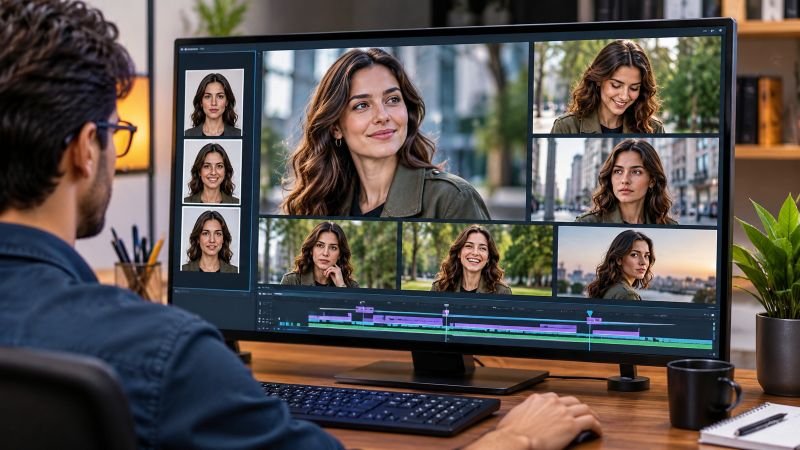
Written descriptions communicate creative intentions, but reference images provide direct visual information. A front-facing portrait establishes facial characteristics, while side views and full-body images provide additional information about proportions, clothing, and appearance. Multiple references also allow creators to establish how a character should look from different perspectives. This becomes particularly useful when a story includes close-ups, wider shots, and changing environments. The ai video generator – Kling 4.0, offers Omni Reference, which supports up to 15 combined reference assets, including images, videos, and subjects. Creators can combine character references with scene, motion, and style materials to guide different aspects of a generation. Preparing a focused reference collection before production gives every new scene a clearer visual starting point.
Distinguish Identity Features from Creative Variations
A recurring character does not need to look identical in every frame. Expressions, posture, clothing, lighting, and camera perspectives may change as the story develops. The important distinction lies between intentional variations and defining identity features. A character might smile in one scene, look surprised in another, or appear under different lighting conditions. These changes should support the narrative while preserving recognizable facial and physical characteristics. Creators should therefore identify which details must remain stable and which can respond to the situation. For example, a character’s expression can change while their facial structure, hairstyle, and defining accessories remain familiar. This approach creates room for expressive storytelling without treating every new scene as an entirely different character design.
How to Maintain Character Continuity Across Different Shots
Guide Character Movement with Clear Action Descriptions
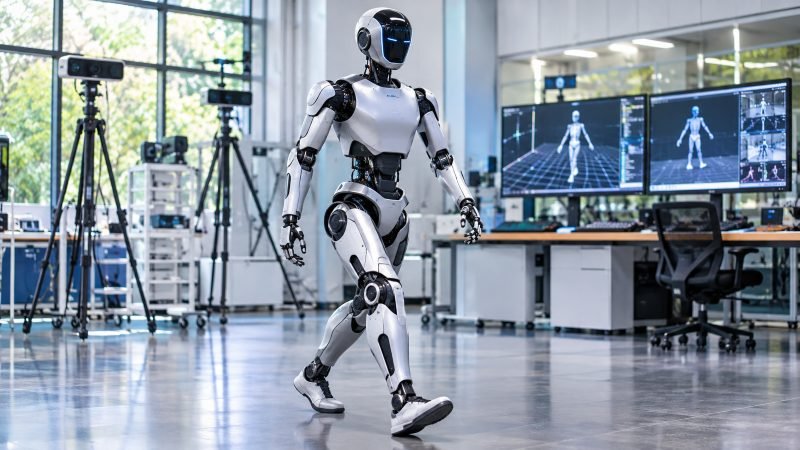
Character consistency involves movement as well as appearance. A familiar face should also behave naturally when the character walks, turns, gestures, or interacts with another subject. Creators should describe actions in a clear sequence rather than relying on broad instructions such as move naturally. A more useful direction might describe a character turning towards another person, pausing briefly, and then smiling. This gives the scene a defined progression. Kling 4.0 supports more stable motion in complex scenes, including larger movements and physical interactions. Creators can also use up to 10 flexible keyframes to guide character poses, actions, and important scene changes. These controls are particularly useful for developing sequences in which a character performs several connected actions.
Use Multiple Shots to Develop One Character Performance
A convincing character sequence often combines different camera perspectives. A wide shot introduces the character within an environment, a medium shot captures body language, and a close-up communicates emotion. These shots should feel like different views of the same performance rather than unrelated generations. Creators should plan the sequence before generating individual clips. Consider where the character stands, which direction they face, what action they perform, and how the next shot continues the moment. Kling AI provides camera direction options such as tracking shots, camera orbits, and close-ups. Its support for start and end frames also provides additional guidance for transitions. With this approach, creators can develop connected footage while maintaining a clear sense of character identity and scene progression.
Build a Reusable Character Library for Future Projects
A character library turns a successful design into a reusable creative asset. It should contain approved reference images, character descriptions, clothing details, preferred expressions, and examples of important movements. Creators can organise these materials by character and production stage, making them easier to retrieve when developing new scenes. For larger storytelling projects, the library might also include location references and visual relationships between recurring characters. Kling AI’s reference-based workflow supports the combination of images, videos, and subject references, providing a practical foundation for developing related footage. Its image-to-video feature also allows creators to start with an established character image and describe the next action. This makes it possible to explore new scenes while retaining the original visual concept as a reference.
Conclusion
AI video generators can create recurring characters with recognizable appearances and expressive movements. The process depends on establishing clear character identities, preparing useful visual references, and directing each scene with continuity in mind. Kling AI brings together Omni Reference, image-to-video generation, camera direction, and keyframe controls to support this creative process. With a well-organized character library and thoughtful scene planning, creators can develop characters that remain recognizable across different shots, environments, and storytelling sequences.