A solar generator provides a practical electricity solution for remote cabins without reliable access to the power grid. It can supply energy for lighting, refrigeration, communication devices, and essential appliances while using sunlight to recharge its battery. However, building an effective setup requires careful planning around electricity consumption, battery capacity, and solar panel placement. This guide explains how to select, install, and maintain a dependable solar power system for comfortable off-grid cabin living.
How to Plan Your Solar Generator Setup for a Remote Cabin
Calculate Your Cabin’s Daily Electricity Needs
Start by listing the electrical appliances and devices you expect to use in your cabin, including lights, refrigerators, fans, and phone chargers. Check each item’s wattage and estimate its daily operating hours. Multiply watts by hours to calculate energy consumption in watt-hours (Wh). For instance, a 60W refrigerator averaging eight hours of operation consumes approximately 480Wh. Add your devices’ requirements together and include extra capacity for conversion losses and unexpected electricity demands.
Choose the Right Battery Capacity and Power Output
Select a battery capacity that covers your cabin’s daily energy needs, including electricity required overnight. A generator with 2,000Wh of usable energy can theoretically support a continuous 200W load for ten hours before additional losses. Check the inverter’s continuous output rating to ensure it can operate your appliances simultaneously. Consider startup surges from refrigerators and other motor-driven equipment. Expandable battery storage can provide additional flexibility if your energy requirements increase over time.
Estimate Solar Panel Requirements Based on Sunlight
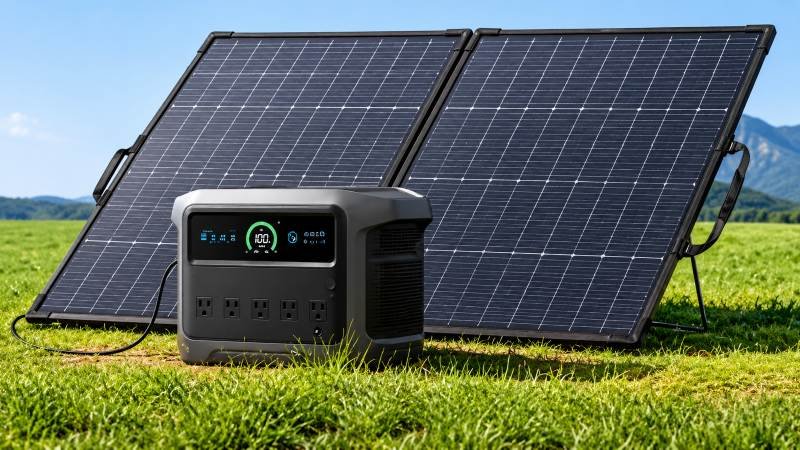
Estimate your solar panel requirements based on daily electricity consumption, available sunlight hours, and expected energy losses. Efficient panels can help maximize charging performance, particularly in remote locations with limited daylight. The Anker SOLIX C1000 Gen 2 Portable Power Station with 200W Bifacial Solar Panel supports efficient sunlight collection through its PS200 panel’s monocrystalline cells, which offer up to 23% conversion efficiency. Position panels carefully to maintain consistent charging and keep essential cabin appliances powered.
How to Install and Connect a Solar Generator at Your Cabin
Choose a Safe Location for Your Solar Generator
Position your solar generator on a stable, dry surface inside your cabin or another manufacturer-approved location. Keep it away from moisture, direct sunlight, heating equipment, and excessive dust. Maintain sufficient clearance around ventilation openings to prevent overheating. Choose an accessible area where you can monitor battery levels and connect essential appliances conveniently. Avoid placing heavy objects on the unit or storing it near flammable materials. Follow all manufacturer recommendations regarding installation and operating temperatures.
Position Solar Panels for Maximum Sunlight Exposure
Install solar panels where they receive direct sunlight throughout the day, avoiding shadows from trees, mountains, and nearby structures. In the Northern Hemisphere, south-facing panels generally provide favorable annual sunlight exposure. Adjust the tilt angle based on your cabin’s location and seasonal conditions. Secure panels against strong winds and maintain adequate airflow underneath them. For cabins surrounded by trees, consider a nearby clearing that provides better exposure while keeping cable lengths manageable.
Connect Solar Panels, Cables, and Cabin Appliances Safely
Before connecting equipment, verify that your solar panels’ combined voltage, current, and wattage fall within the generator’s supported input limits. Use compatible charging cables and follow the manufacturer’s connection instructions. Keep electrical connections dry, secure, and protected from accidental damage. Connect essential appliances through appropriately rated outlets without exceeding the generator’s continuous output capacity. For permanent cabin wiring or integration with an electrical distribution panel, hire a qualified electrician and use approved transfer equipment.
How to Maintain Reliable Solar Power at a Remote Cabin
Manage Battery Usage and Reduce Unnecessary Power Consumption
Efficient electricity management helps extend battery runtime, particularly during overnight operation or periods of limited sunlight. Replace inefficient lighting with LED bulbs and switch off appliances when they are not needed. Avoid running several high-wattage devices simultaneously. Monitor your generator’s battery display to understand daily consumption patterns and identify unnecessary energy use. Schedule demanding activities during sunny hours when possible. Maintaining a reasonable battery reserve helps preserve electricity for essential equipment and unexpected situations.
Prepare Backup Charging Options for Cloudy Weather
Cloudy weather can significantly reduce solar electricity production, making alternative charging methods valuable for remote cabins. Choose a generator that supports compatible vehicle charging, AC charging, or other manufacturer-approved backup sources. Consider maintaining additional battery capacity for extended periods of poor sunlight. Monitor weather forecasts and recharge before storms when practical. Prioritize refrigeration, communication equipment, and essential lighting when stored energy becomes limited. A reliable backup charging strategy helps maintain electricity availability during unfavorable conditions.
Protect Your Solar Generator From Extreme Weather
Remote cabins often experience changing temperatures, heavy rainfall, snow, and humidity that can affect electrical equipment. Keep your generator within its recommended operating and charging temperature ranges. Avoid charging lithium batteries below their permitted temperature limits. Protect the unit from moisture and maintain unobstructed ventilation during hot weather. Inspect solar panels after storms for accumulated debris, snow, or physical damage. Regularly check exposed cables and connectors to identify wear before it affects system reliability.
Conclusion
A reliable solar generator setup can make remote cabin living more comfortable and convenient. Begin by calculating electricity requirements, choosing suitable battery capacity, and installing solar panels where they receive sufficient sunlight. Connect equipment safely and manage energy consumption to extend battery runtime. Prepare alternative charging methods for cloudy weather and protect your equipment from extreme conditions. With proper planning and maintenance, your cabin can enjoy dependable off-grid electricity throughout the year.