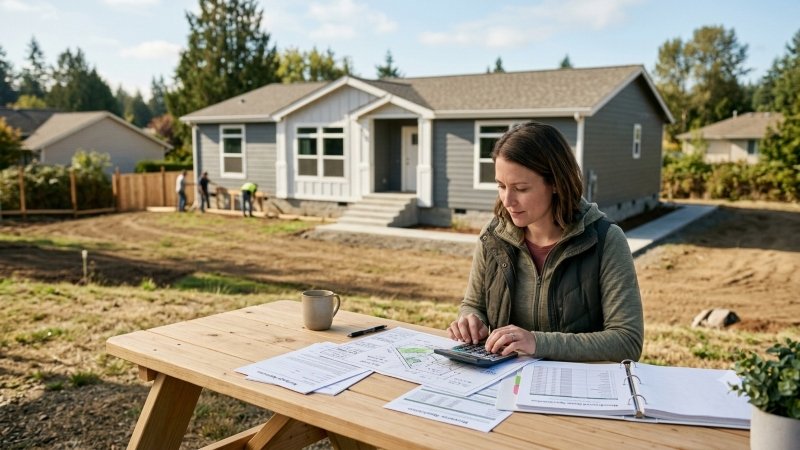
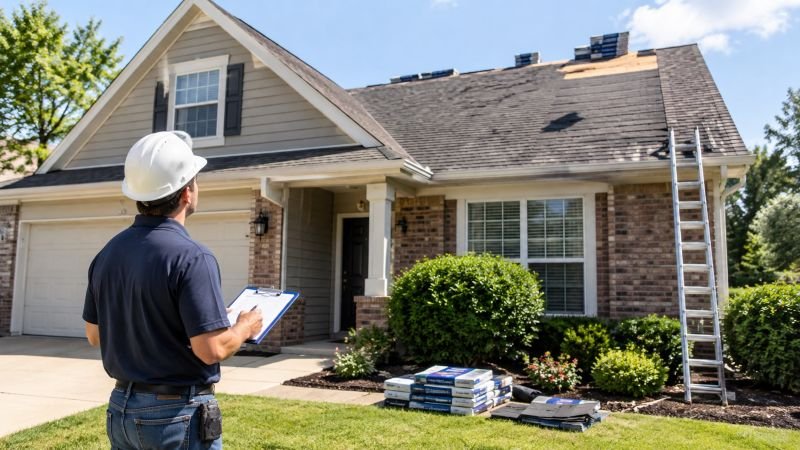
The rental property has been performing well. Tenants pay on time, the mortgage is covered, and money remains in the account at the end of each month. Then a contractor inspects a persistent leak and delivers an estimate for a complete roof replacement.
Suddenly, the cost of one major repair could absorb more than five years of the property’s available monthly cash flow. This is a problem property investors can overlook when evaluating returns. Monthly rent is easy to measure, but the costs of maintaining a building rarely arrive in predictable installments.
A roof might require little attention for years before demanding a substantial investment. For landlords, the financial question is not simply whether the property generates positive cash flow today. It is whether that cash flow can support the building’s long-term repair and replacement needs.
The Rental Income Looks Good Until a Major Repair Comes Due
Why Positive Monthly Cash Flow Can Be Misleading
Consider a rental house producing $2,400 in monthly rent. The owner pays $1,650 toward the mortgage, property taxes, and insurance, leaving $750 before other operating expenses. After allowing $190 for property management, $160 for routine maintenance, and $120 for expected vacancies, the remaining cash flow is $280 per month.
That looks encouraging until the roof needs replacing. An $18,000 roof replacement would consume more than five years of that $280 monthly surplus if no money had already been reserved.
These figures are illustrative, but they demonstrate why a property can generate positive monthly cash flow without producing enough money to cover major future expenses.
How a Roof Replacement Changes the Financial Picture
Unlike smaller maintenance expenses, roof replacement requires a substantial payment within a relatively short period. An investor may need to use savings, obtain financing, or redirect income from other properties. Each option has consequences.
Spending savings reduces the funds available for emergencies. Borrowing introduces interest and repayment obligations. Redirecting rental income can delay other repairs or planned investments.
A new roof may protect the property for many years, but that long-term benefit does not eliminate the immediate pressure on cash reserves.
What Makes a Rental Property’s Roof So Expensive to Replace?
Roofing Materials, Labor, and Property Size
A roofing estimate reflects more than the price of shingles. Contractors must consider the actual roof surface area, slope, number of roof sections, accessibility, material selection, labor requirements, and removal of existing roofing.
Two houses with identical interior square footage can have significantly different roofing costs. A simple roof with limited penetrations may be easier to replace than one with multiple valleys, dormers, chimneys, and complicated flashing details.
Material selection also matters. Asphalt shingles and standing seam metal roofing have different installation requirements and upfront costs. For an investor, comparing these choices means considering the expected ownership period, installation quality, future maintenance, and the condition of the underlying structure.
Hidden Damage That May Increase the Final Estimate
A roof’s visible covering does not always reveal the condition of the materials beneath it. Water entering around damaged flashing or deteriorated shingles can affect roof decking, insulation, and interior finishes.
Some concealed damage may only become apparent after existing materials are removed. That uncertainty makes it important to understand which expenses are included in an estimate and how additional work would be priced.
A contractor might quote the primary replacement separately from deteriorated decking that cannot be assessed fully beforehand. Investors should distinguish between a genuine unforeseen condition and work that should reasonably have been identified during the initial evaluation.
Why Roofing Quotes for the Same Property Can Differ
A lower roofing estimate does not necessarily represent the same work at a better price. Consider two illustrative bids. One contractor quotes $15,800 but excludes $1,100 for flashing, $600 for disposal, and $750 for underlayment. Adding those necessary items brings the comparable total to $18,250—more than a $17,600 bid that includes them.
Neither figure allows for concealed decking damage. Owners can make the same comparison using actual written estimates. Match the roofing materials, ventilation, removal, permits, warranties, and proposed repairs; then identify exclusions and rates for unforeseen work.
An all-in planning figure includes the quoted work, essential exclusions, and a separate contingency. The lowest stated bid may not be the least expensive completed project.
Should You Repair the Roof or Replace It?
When a Repair Still Makes Financial Sense
Not every leak requires a new roof. An otherwise serviceable roofing system might have localized damage around a vent, chimney, flashing connection, or limited section of roof covering. If the surrounding materials remain in good condition, a targeted repair may provide an appropriate solution.
The important question is whether the repair addresses the source of the problem rather than temporarily concealing its symptoms.
A property owner who repeatedly pays for interior ceiling repairs without identifying the cause of water intrusion may be spending money without reducing the underlying risk.
Signs That Repeated Repairs Are Becoming More Expensive
A series of small roofing bills can appear manageable when viewed individually. However, repeated leaks, widespread material deterioration, recurring flashing failures, or damage across multiple areas may indicate a problem that isolated repairs cannot economically resolve.
A Central Texas landlord can ask a local roofing contractor to document recurring leaks and deteriorated areas. When comparing providers, the owner may use the visit website for more information and a link to review available services, then compare the contractor’s findings with past repair invoices.
That evidence can help distinguish a repairable defect from a roof nearing replacement. The comparison should weigh the likelihood of further failures, tenant disruption, and potential interior damage—not just the price of another patch.
A roof that repeatedly damages occupied rooms may also create repair expenses beyond the roof itself.
How Long-Term Ownership Plans Affect the Decision
An investor planning to hold a property for another 15 years may evaluate roofing materials differently from someone expecting to sell within two years. For a long holding period, durability, maintenance requirements, and when to replace it in the future can matter.
An owner planning to sell sooner may focus more heavily on the property’s current condition, inspection findings, and likely buyer concerns. Neither strategy makes the lowest upfront bid the safest financial choice.
A documented roof assessment helps owners compare remaining service life with their expected holding period.
How to Budget for Roofing Expenses Without Destroying Cash Flow
Building a Capital Expenditure Reserve
Property investors often distinguish routine operating expenses from major capital expenditures. Routine maintenance includes recurring work needed to keep the property functioning.
Capital expenditures may involve replacing significant building components, such as roofing systems, heating equipment, or major plumbing installations.
These expenses should be anticipated even when the equipment or structure is currently functioning. A capital expenditure reserve is money deliberately set aside for such future needs.
It is useful to keep these funds separate from the account used for ordinary monthly expenses. Otherwise, a healthy bank balance can create the impression that money is available when it is already needed for a future replacement.
Calculating Monthly Savings for Future Roof Replacement
A simple planning approach begins with an estimated replacement cost and the number of years before the expense may become necessary. Suppose an inspection and current estimates suggest that a landlord should prepare for an $18,000 roof replacement within six years.
Spreading that amount across 72 months produces a savings target of $250 per month. Returning to the earlier example, the property’s apparent $280 monthly cash flow would fall to just $30 after accounting for that roofing reserve.
If a later estimate rises to $21,600 while the deadline remains six years away, the monthly savings target becomes $300. That is $20 more than the property’s $280 monthly surplus, even before other capital expenditures. The difference reveals a funding gap that the owner needs to plan for.
Roof condition and replacement costs can change, so the estimate should be reviewed periodically. A reserve calculation is a planning tool, not a guarantee that the roof will last until the projected replacement date.
Preparing for Unexpected Storm Damage
Scheduled replacement is only one possibility. Severe weather can cause damage before a roof reaches its expected service life. Landlords should maintain emergency funds in addition to planned replacement reserves, particularly where wind, hail, or falling debris present meaningful risks.
An emergency fund can help cover temporary protection, a policy deductible, or repairs that must proceed before an insurance claim is resolved. The size of that fund should reflect the property’s exposure, insurance arrangements, and the owner’s ability to access additional capital.
A reserve that assumes every major roofing expense will be covered by insurance leaves a potentially expensive gap.
Can Insurance Reduce the Cost of a New Roof?
Understanding Covered Damage Versus Normal Wear
Insurance can reduce certain unexpected roofing expenses, but it is not a substitute for a replacement budget. Policies may cover damage caused by specified events, such as wind or hail. Ordinary aging, deterioration, and neglected maintenance are generally treated differently.
The Texas Department of Insurance explains that insurance does not pay for a new roof solely because the existing one has become old or worn out.
Landlords should verify that their policy covers rental use. The Texas Department of Insurance’s rental-property guidance warns that homeowners coverage may be limited for rentals and recommends asking about landlord insurance.
These Texas examples do not establish nationwide coverage rules. Actual payments depend on the rental property’s policy terms, exclusions, endorsements, roof valuation provisions, and the cause of damage.
Why Deductibles and Depreciation Matter
Even an approved claim may leave a substantial amount for the owner to pay. Some policies provide replacement cost coverage, subject to their terms and limits. Others settle roof damage on an actual cash value basis, accounting for depreciation associated with age and condition.
For example, a 2% wind-and-hail deductible on a dwelling insured for $300,000 would equal $6,000 if the deductible is calculated against that insured amount.
That expense could significantly affect a rental property’s annual cash flow.
Owners should review their policy declarations, applicable deductible, roof coverage provisions, and payment conditions before assuming an insurance settlement will finance a complete replacement.
Planning for Costs Insurance Does Not Cover
A roofing project may include work beyond the scope of an approved insurance claim. The contractor’s estimate might identify maintenance-related deterioration, additional improvements, or items that the insurer does not consider part of the covered loss.
There can also be timing differences between payments to contractors and insurance reimbursements. An investor should therefore build the financial plan around confirmed coverage and documented estimates, rather than relying on an anticipated settlement amount.
How a New Roof Affects the Property’s Investment Value
Roof Condition and Future Resale Negotiations
Roof condition can become an important consideration when a rental property is sold. Buyers may evaluate inspection findings, the apparent remaining service life of the roof, previous leaks, and the likelihood of near-term replacement.
A roof that requires major work could influence negotiations or financing decisions, depending on the circumstances. Replacing it before sale does not guarantee that the owner will recover the full installation cost through a higher selling price.
The potential benefit is better understood in terms of property condition, reduced uncertainty, and the buyer’s assessment of future expenses.
Protecting Rental Income During Roofing Work
Major roofing work must also be coordinated with the tenants occupying the property. Noise, restricted access, debris, and the temporary exposure of parts of the structure can disrupt normal use.
Landlords should discuss the proposed schedule, safety precautions, access requirements, and cleanup arrangements with the contractor before work begins.
Landlords must follow their leases and applicable state and local rules on repair notices, entry, and habitability. For example, Texas Property Code Chapter 92 requires landlords, after specified notice and subject to other conditions, to address defects materially affecting tenant health or safety. It also addresses lease termination and prorated rent refunds under specified conditions when casualty damage makes a home totally unusable.
If leaks or roofing work make the home unsafe, owners should take prompt protective steps and check local law before assuming rent reductions or temporary accommodations are required. No single nationwide rule covers those remedies, and lost rent may add to the project’s cost.
When More Expensive Roofing Materials May Be Worth Considering
A higher-cost roofing material may reduce future maintenance but does not necessarily raise resale value by the same amount. The calculation should reflect the building’s design, local weather, insurance treatment, expected ownership period, and buyers’ likely concerns.
For example, a long-term owner comparing standing seam metal with asphalt shingles can estimate whether fewer future repairs or insurance savings justify the larger initial investment.
A prospective buyer may value a recently replaced roof without paying a dollar-for-dollar premium for more expensive materials.
The investment case rests on expected lifetime cost, reliable installation, and likely resale consequences—not price alone.
What Property Investors Should Do Before Approving a Roofing Estimate
Reviewing the Contractor’s Scope of Work
A written roofing estimate should clearly identify the proposed materials, existing roof removal, underlayment, flashing, ventilation work, disposal, and other significant components.
The written agreement should explain how concealed damage will be priced and require approval of change orders before additional work is charged.
Before work starts, confirm the schedule, payment milestones, who obtains any required permits, how inspections will be handled, and when final payment is due. Austin Development Services confirms that some roof repairs and replacements are permit-exempt, while other roofing projects require a permit.
Clear terms help prevent disputes about unfinished work, added charges, and responsibility for inspections.
Comparing Materials, Warranties, and Installation Requirements
Roofing warranties are not all interchangeable. Material warranties and workmanship warranties may cover different problems, have different exclusions, and require particular installation or maintenance practices.
An investor should ask what each warranty actually covers, how long coverage applies, and whether there are registration or transfer requirements.
Ask for proof of insurance, references, and any licenses or local registrations required for that project. The Federal Trade Commission also advises checking licensing and insurance documentation and getting a written contract.
Confirm warranty coverage separately from the contractor’s qualifications; a long warranty does not replace verification of the business performing the work.
Accounting for the Project in the Property’s Financial Plan
Once the proposed work is understood, the owner can determine how it will be financed and how it affects expected returns. That calculation should include the quoted cost, a reasonable contingency for uncertain work, financing expenses if applicable, and the amount available in existing reserves. Tax treatment also matters.
Under IRS guidance for residential rental property, an entire roof replacement is generally a capital improvement recovered through depreciation rather than an ordinary repair expense deducted immediately. A limited repair may receive different treatment depending on the facts and applicable tax rules.
Investors should keep detailed invoices and consult a qualified tax professional about their circumstances. The financial analysis should reflect the project’s actual cash requirements, not assume that tax treatment will offset the immediate cost.
A Profitable Rental Needs More Than Positive Monthly Cash Flow
A property can collect rent reliably, cover its monthly obligations, and still leave its owner financially exposed. Major building components eventually need attention. Roofs are particularly important because deterioration can create expenses involving ceilings, insulation, interior finishes, and occupied living spaces.
Owners are better positioned when they inspect aging components and price likely repairs before a leak becomes urgent. A realistic estimate and a funded replacement reserve allow the owner to evaluate the proposed work without relying solely on next month’s rent.
It also means recognizing that a property’s financial performance cannot be measured by the cash left in the bank at the end of an ordinary month. The roof estimate may be unexpected, but the possibility of replacing the roof should never be absent from the investment calculation.