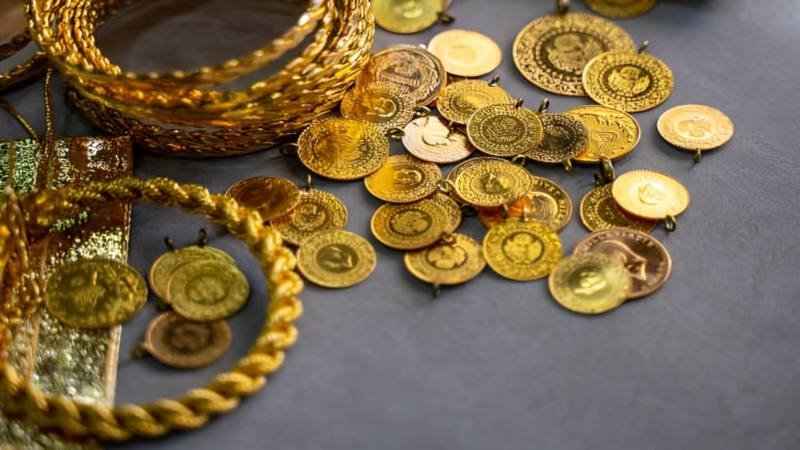
A shoebox of old jewelry sits in the back of a closet in Scottsdale. Inside: a tangle of gold chains, a few inherited coins, and a brooch nobody has worn since the 1980s. Most people assume this kind of collection has modest value at best. In the current precious metals market, that assumption is costing them real money.
The Gold Market Has Changed the Math
The numbers behind gold’s recent run are hard to ignore. Global gold demand soared to a record high of 5,002 tonnes in 2025, lifting the total market value to an unprecedented $555 billion, up 45 percent from the year before. That surge directly affects what sits in a jewelry box or a coin collection in the Valley. When the metal itself is commanding record prices, even ordinary pieces carry more weight than their owners realize.
Arizona’s connection to precious metals runs deep. The state’s jewelry trade has roots shaped by its natural resources and cultural heritage, with a long-standing connection to silver, turquoise, and gold production that made it a hub for both crafting and trading fine pieces. At the same time, Native American artistry influenced local styles and national trends alike. That history means Scottsdale and the broader Phoenix metro area have always had a sophisticated market for evaluating and buying precious items. And today that market is more active than ever.
Melt Value Is Only the Starting Point
One of the biggest misconceptions people bring to a sale is the idea that gold jewelry is worth exactly what the metal weighs. That is the floor, not the ceiling.
Karat Purity and Weight
Popular gold purity levels include 22K, 18K, 14K, and 10K, with 24K being the most valuable at the point of sale. The higher the karat, the greater the value. A hallmark stamp on the inside of a ring or the clasp of a bracelet tells an evaluator exactly what they are working with. Pieces without stamps are not necessarily worthless, but they require testing to confirm purity before any offer is made.
When a Piece Is Worth More as Jewelry
Condition matters less for items sold purely for their metal content, but some pieces carry value well beyond that baseline. Rare coins, limited-run jewelry, signed pieces from recognized designers, vintage Art Deco bracelets, and estate items with distinctive craftsmanship often fetch prices that the raw metal alone would never justify. An appraiser who focuses only on weight is leaving money on the table.
Gemstones
Diamonds, sapphires, and other stones add a separate layer of value that has nothing to do with the gold they sit in. The appraisal process for estate jewelry starts with melt price as a baseline, then factors in each stone’s cut and clarity. Antique and vintage pieces can command high prices, but only when the style holds up over time. An outdated design brings a lower price because consumer demand simply isn’t there.
Coins: Two Kinds of Value in One Object
Old coins are where sellers most often underestimate what they have. Every gold or silver coin carries at least a melt value tied to its metal content, but many carry something else entirely.
Melt value is the baseline worth of a coin based solely on its precious metal content. Numismatic value is the premium collectors pay for a coin’s rarity, history, or condition. For common bullion coins, the two figures sit close together. But for older coins, scarce examples, or pieces in exceptional shape, the numismatic premium can far exceed the melt price.
A few factors determine which category a coin falls into:
- Date and mint mark: Certain years and production facilities are far rarer than others, and the difference in value between a common date and a key date can be dramatic.
- Condition: A coin that shows minimal wear and retains sharp detail commands a premium that a heavily circulated example simply will not.
- Certification: Professional grading services like PCGS or NGC certify a coin’s condition, which is critical for establishing high numismatic value.
- Historical significance: Pre-1933 U.S. gold coins, for example, carry collector interest that modern bullion coins do not.
The practical takeaway for anyone sorting through an inherited collection in Scottsdale or anywhere in the Valley: do not assume a coin’s value without checking the date and mint mark against a reputable price guide first.
What Sellers in Arizona Get Wrong
In earlier decades, resale in Arizona often happened through pawn shops or small local jewelers where transactions were informal and built on personal relationships. Quick exchanges, not long-term market value, drove most deals.
Over time, professional appraisals, precious metal refining, and more transparent pricing brought the resale process into a more organized and trustworthy form. That shift matters because sellers now have access to buyers who can tell the difference between a piece worth its melt value and one worth multiples of it.
Jewelry does not need to be new or wearable to have resale value. Some pieces are worth most because of their metal content. Others command more as complete jewelry, because of the stones, the maker, the age, or the design. Broken does not mean worthless. Sellers who assume otherwise, or who treat every piece as scrap, often walk away with less than they should have.
Getting multiple opinions is always reasonable. Precious metal prices move with the market, so the same bracelet may receive different offers on different days. Sellers do not need to be experts, but they should know that prices are not fixed. A reputable local gold buyer in Scottsdale should also be able to explain how an offer was calculated. Before accepting any offer, though, it is worth asking whether the figure reflects current market pricing and how the calculation was made.
How to Prepare Before You Walk In
Preparation does not require expertise. Just a little organization. Gathering whatever documentation exists, including old appraisals, receipts, original boxes, or notes about a piece’s origin, gives a buyer more to work with and often supports a stronger offer. Avoid polishing or using abrasive cleaning methods before an appointment.
Cleaning can damage stones, finishes, patina, or markings that may actually add value. Separating items by metal type before you arrive-gold with gold, silver with silver-also makes the evaluation faster and cleaner.
Gold prices have continued climbing into 2026, with the latest record reached in January 2026 at over $5,600 per ounce, following a strong 2025 where that upward trend first took hold. For anyone sitting on inherited gold, old coins, or unworn jewelry in Scottsdale and the surrounding communities, the timing for an honest evaluation has rarely been better.
Conclusion
The gap between what people think their old gold and coins are worth and what they are actually worth has never been wider. Market conditions, numismatic premiums, gemstone value, and design significance all push the final number well beyond a simple weight-times-spot-price calculation. The first step is getting a professional opinion from a reputable buyer in the Valley who looks at the full picture, not just the metal content.
Disclaimer: The information Rob The Coins provides in this article is for general guidance only. The value of gold, coins, or jewelry can vary based on market prices, condition, rarity, and authenticity. For an accurate valuation, consider getting a professional evaluation before selling.