
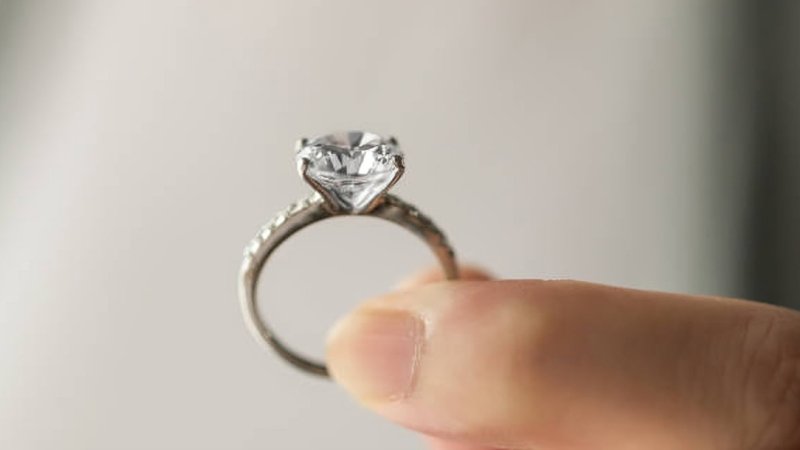
Arizona has quietly built a reputation as one of the most favorable states in the country for diamond transactions. A convergence of demographic wealth, a fast-growing population, a competitive dealer network, and a business-friendly tax environment makes the state genuinely attractive, whether someone is shopping for a new stone or looking to sell one they already own.
A Population That Can Actually Afford Fine Jewelry
The foundation of any healthy diamond market is a buyer pool with real purchasing power. Arizona has that in abundance, and the numbers are striking.
The state’s population is projected to grow by more than 2 million people, or 26%, between 2025 and 2060. It is expected to increase from 7.7 million to 9.8 million during that period. This steady growth brings a constant influx of new residents. Many arrive with established wealth from higher-cost states such as California and New York.
Scottsdale sits at the center of this demographic story. Nearly half of all Scottsdale households earn more than $100,000 a year, and the city holds the highest median housing price of any of the large Valley cities. That concentration of financial stability translates directly into demand for high-value goods. Engagement rings, anniversary pieces, and estate jewelry all move well in communities where discretionary spending is a normal part of life.
Scottsdale is home to some high-net-worth individuals, thanks to its booming economy and appeal as a retirement destination. Retirees relocating from expensive coastal markets often arrive with accumulated jewelry collections, heirloom pieces, and the financial flexibility to buy new ones. That dynamic benefits both sides of the market.
The Tax Advantage Most Buyers Don’t Know About
One of Arizona’s most underappreciated advantages is its tax structure around precious metals and gemstone transactions. The state is generally considered one of the most tax-friendly for precious metals investors. Arizona exempts most investment-grade bullion from sales tax and eliminated state-level capital gains tax on precious metals in 2017, meaning investors can buy and sell physical gold, silver, platinum, and palladium without incurring state tax at the point of purchase or sale.
For diamond buyers, this matters practically. Jewelry set in precious metals benefits from the same favorable regulatory environment, and the absence of state capital gains tax on qualifying transactions means sellers keep more of what they earn. Compared to states where every resale triggers a layered tax obligation, Arizona offers a noticeably cleaner transaction experience.
This is one reason the Phoenix and Scottsdale corridor has attracted a dense network of reputable dealers, appraisers, and estate buyers. For anyone looking for a diamond buyer in Scottsdale, the competitive local market means multiple qualified professionals are often available to evaluate and purchase valuable jewelry. Competition among buyers keeps offers honest, which works in the seller’s favor.
What Sellers Need to Understand Before Listing
Selling a diamond in Arizona isn’t complicated, but it rewards preparation. A few factors consistently determine whether someone walks away satisfied or leaves money on the table.
Certification Matters More Than Condition
A GIA-certified diamond commands a measurably better offer than an uncertified stone of the same apparent quality. Buyers in the Arizona market, particularly in Scottsdale, are sophisticated. They know the difference between a graded stone and one that relies on verbal description. If a diamond lacks current certification, getting an independent appraisal before approaching buyers is worth the modest upfront cost.
Timing Around Local Events
Phoenix hosts numerous events that attract wealthy attendees and spike demand for luxury goods. Events like Scottsdale Fashion Week, the Phoenix Open, and the Barrett-Jackson Auction bring affluent individuals to the area, many of whom are eager to buy statement pieces. Sellers who time their listings around these periods often find more active buyer interest and stronger offers. The seasonal pattern is real and predictable.
Understanding the Resale Gap
Every diamond seller should go in knowing that retail price and resale value are different numbers. The resale market prices stones based on current demand, carat weight, cut quality, and certification, not what was paid at a jewelry counter years ago. Arizona’s competitive dealer network actually narrows this gap compared to thinner markets, but the gap still exists. Knowing this upfront makes the negotiation process far less frustrating.
What Buyers Gain From the Arizona Market
The same competitive landscape that benefits sellers also creates real advantages for buyers. Arizona’s dealer ecosystem spans everything from estate jewelry specialists to independent diamond brokers to GIA-trained appraisers working out of Scottsdale’s Old Town district. That variety means buyers can comparison-shop with genuine options. Not just a handful of mall chains.
The estate market in particular is worth attention. Inherited and estate diamond jewelry from past eras is always in demand, and pieces reflecting Art Deco, Edwardian, and Victorian designs carry collector value that commands premium prices. For buyers who know what they’re looking for, estate channels in Arizona regularly surface stones and settings that simply don’t appear in conventional retail.
Lab-grown diamonds have also found a foothold in the Arizona market. Buyers who prioritize size and visual quality over provenance find that local dealers carry competitive lab-grown inventory alongside natural stones. Having both options available in the same market allows for genuine side-by-side comparison, which benefits informed buyers.
The Broader Diamond Market Context
Arizona’s diamond activity doesn’t exist in isolation. The national and global market provides the current that local transactions ride. The U.S. jewelry market was valued at $78.40 billion in 2024 and is expected to reach $97.62 billion by 2030, with the diamond segment showing the highest growth rate of any material category during the forecast period. Sustained national demand keeps resale values from collapsing and gives sellers a floor to negotiate from.
Phoenix and Scottsdale benefit from this trend more than most regional markets because of ongoing wealth migration into the city. Personal income growth in Arizona is expected to outpace inflation in the coming years, with the pace rebounding to 5.8% in 2025 and 6.2% in 2026. Rising incomes in a high-growth state translate into more discretionary spending, and fine jewelry is one of the first categories to absorb it.
For sellers, the timing is favorable. For buyers, the market is active enough to support genuine price discovery rather than a take-it-or-leave-it environment.
Conclusion
Arizona rewards people who approach diamond transactions with some preparation. For sellers, that means gathering any certification documentation, understanding the realistic resale range for the stone, and approaching multiple buyers before accepting an offer. For buyers, it means taking advantage of the state’s competitive dealer network, exploring estate channels alongside retail options, and factoring the favorable tax environment into the overall cost calculation.
The conditions in Arizona create one of the most favorable environments in the country for diamond transactions. Demographic wealth, strong population growth, a business-friendly tax structure, and an active estate market all work in favor of both buyers and sellers.